
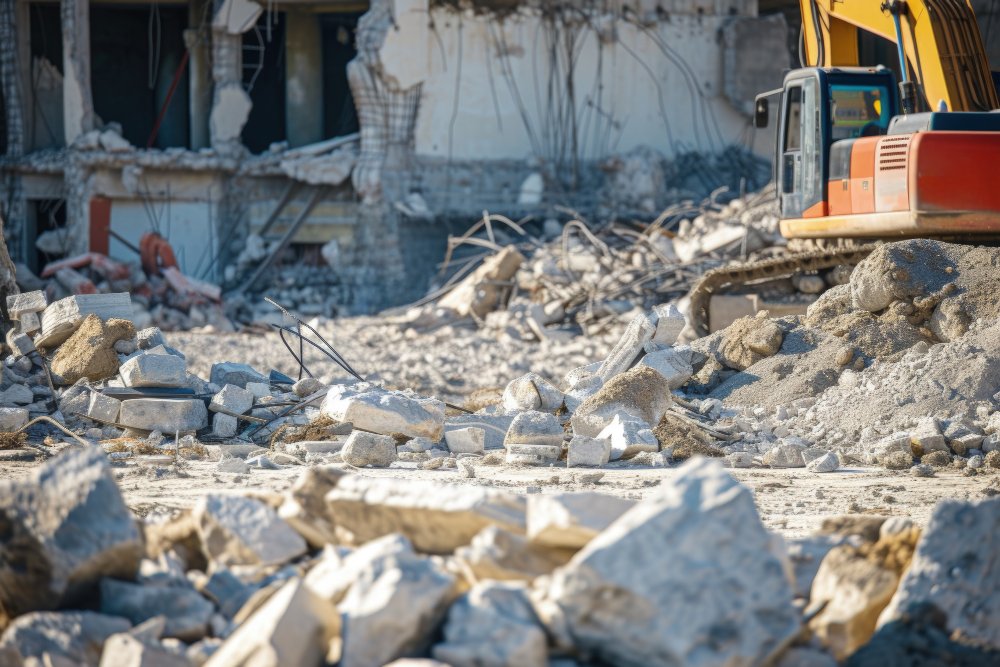
Concrete demolition services in Mississauga form a critical part of residential, commercial, and infrastructure-related construction activity. As buildings age, properties change use, and redevelopment accelerates across the city, removing existing concrete structures safely and efficiently becomes an essential step before any new work can begin.
Concrete demolition is not simply about breaking material apart. It involves careful planning, method selection, safety controls, and waste management, all of which are influenced by local conditions, property types, and regulatory requirements. This article explains what concrete demolition involves, why it is frequently required in Mississauga, and what factors shape how the work is carried out.
What Is Concrete Demolition?
Concrete demolition refers to the controlled removal of concrete structures or components. This can range from small-scale residential work, such as removing a concrete walkway, to large-scale demolition of foundations, slabs, retaining walls, or industrial flooring.
In the context of concrete demolition services in Mississauga, projects vary widely in size and complexity due to the city’s diverse mix of housing, commercial developments, and industrial zones. Each project requires a tailored approach depending on location, structure type, and surrounding conditions.
Why Concrete Demolition Is Common in Mississauga
Urban Growth and Redevelopment
Mississauga continues to evolve as a major urban centre within the Greater Toronto Area. Older properties are often redeveloped to accommodate higher-density housing, updated commercial spaces, or infrastructure improvements. Concrete demolition is frequently the first physical step in this transformation.
Aging Residential Infrastructure
Many residential neighbourhoods contain older concrete elements such as driveways, garage floors, patios, and foundations that have deteriorated over time. Cracking, spalling, and uneven settling can make removal necessary before repairs or upgrades are possible.
Property Use Changes
When a property changes function—such as converting an industrial space into mixed-use development—existing concrete layouts may no longer meet new design or load requirements. Concrete demolition services in Mississauga help reset these spaces for future use.
Common Types of Concrete Demolition Projects
Driveways and Walkways
Residential concrete driveways and walkways are often removed due to cracking, drainage issues, or redesign of outdoor spaces. Although smaller in scale, these projects still require proper planning to avoid damaging adjacent structures or utilities.
Patios and Exterior Slabs
Concrete patios and exterior slabs may be removed to accommodate landscaping changes, additions, or new construction. Access constraints and proximity to buildings often influence demolition methods.
Foundations and Footings
Foundation demolition is one of the most complex forms of concrete removal. It requires careful sequencing to maintain structural stability, particularly in shared or closely spaced properties.
Interior Concrete Floors
In commercial and industrial buildings, interior concrete floors may need to be demolished to allow for plumbing changes, elevator installation, or structural reconfiguration.
Methods Used in Concrete Demolition
Mechanical Demolition
Mechanical demolition involves the use of heavy equipment such as excavators, breakers, and skid steers. This method is commonly used for large exterior projects where space allows for machinery access.
Concrete demolition services in Mississauga often rely on mechanical methods for efficiency, especially on open sites or large-scale projects.
Handheld and Precision Demolition
In confined spaces or near sensitive structures, handheld tools such as jackhammers and saws are used. Precision demolition reduces vibration and limits damage to surrounding materials.
Saw Cutting and Sectioning
Concrete is often cut into sections before removal. Saw cutting allows for controlled demolition and cleaner edges, which is especially important when only part of a slab or wall needs to be removed.
Controlled Breaking Techniques
In certain cases, controlled breaking methods are used to reduce noise, dust, and vibration. These techniques are particularly relevant in dense residential or commercial areas.
Safety Considerations in Concrete Demolition
Structural Stability
Before demolition begins, the structure must be assessed to understand load paths and dependencies. Removing concrete without proper sequencing can compromise stability.
Dust and Air Quality
Concrete demolition generates fine dust that can affect air quality. Dust control measures, such as wet cutting or localized containment, help reduce exposure risks.
Noise and Vibration
Mississauga includes many mixed-use and residential zones where noise and vibration must be managed carefully. Method selection often balances efficiency with environmental impact.
Utility Awareness
Underground utilities such as water lines, gas lines, and electrical conduits may be embedded in or beneath concrete. Identifying these services is critical to avoid hazards.
Waste Management and Environmental Considerations
Concrete Recycling
Concrete is one of the most recyclable construction materials. Removed concrete can be crushed and reused as aggregate for new construction projects.
Concrete demolition services in Mississauga often include material separation to support recycling and reduce landfill use.
Transportation and Disposal
Proper handling and transport of demolished material ensure compliance with environmental regulations. Load management and site cleanliness are part of responsible demolition practices.
Site Restoration
Once concrete is removed, the site may require grading or preparation for the next phase of construction. Proper cleanup helps maintain safety and project continuity.
Regulatory and Permit Factors in Mississauga
Permits and Approvals
Certain demolition activities require permits, especially when structural elements or foundations are involved. Municipal approval ensures work complies with local building and safety standards.
Zoning and Site Constraints
Zoning rules, property boundaries, and access limitations influence how demolition work can be performed. Urban sites often require more controlled approaches.
Inspection and Compliance
In some cases, inspections may be required before and after demolition to confirm that work aligns with approved plans and does not affect neighbouring properties.
Concrete demolition services in Mississauga must operate within these regulatory frameworks to avoid delays or enforcement issues.
Challenges Unique to Urban Demolition
Limited Access
Tight lot lines, shared driveways, and adjacent buildings can restrict equipment access. This often necessitates smaller tools or staged demolition.
Proximity to Neighbours
Working near occupied homes or businesses increases the need for noise control, dust suppression, and clear communication.
Weather Conditions
Seasonal weather affects concrete demolition timelines. Frozen ground, snow accumulation, or heavy rainfall can influence method selection and scheduling.
When Concrete Demolition Is the Right Choice
Concrete demolition is appropriate when repair is no longer practical or cost-effective. Common indicators include:
Extensive cracking or structural failure
Uneven settlement affecting safety
Obsolete layouts that limit functionality
Preparation for new construction
Understanding when demolition is necessary helps property owners plan realistically rather than attempting temporary fixes.
Integrating Demolition into Project Planning
Concrete demolition should be viewed as part of a broader project sequence rather than an isolated task. Coordination with design, engineering, and construction planning ensures smoother transitions between phases.
In Mississauga’s evolving built environment, thoughtful planning helps reduce disruptions and supports long-term property value.
Conclusion
Concrete demolition services in Mississauga support the city’s ongoing growth, renewal, and adaptation. From small residential projects to complex commercial sites, concrete removal requires technical knowledge, safety awareness, and regulatory compliance.
By understanding how concrete demolition works and what factors influence its execution, property owners and project planners can make informed decisions that align with structural needs, environmental responsibility, and future development goals.