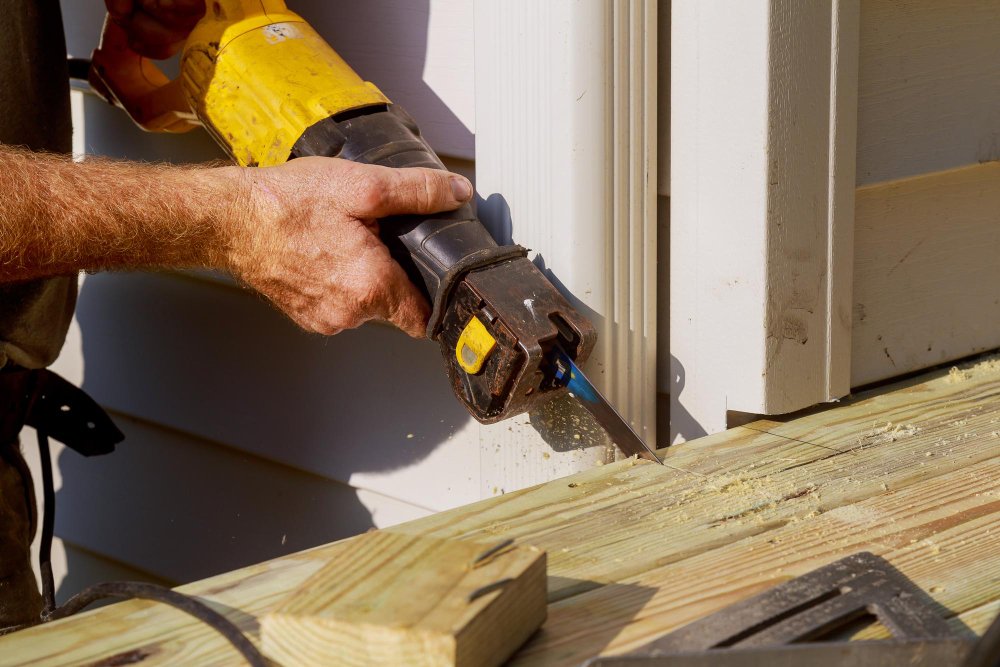
In modern construction and renovation, precision is everything. Whether you’re updating your interiors, installing new flooring, or simply adjusting door dimensions for better functionality, door cutting services in Mississauga play a vital role in ensuring that doors fit perfectly and perform as intended. With real estate trends in Mississauga leaning toward compact, energy-efficient living, custom door solutions are becoming more relevant than ever. This blog explores the essentials of professional door trimming and cutting, the situations that require such services, methods used, and important factors homeowners should consider before starting a project. Why Door Cutting Services Are Essential You may not think about it often, but doors—whether interior or exterior—are architectural elements that serve both functional and aesthetic purposes. A misaligned or improperly sized door can lead to a variety of issues such as: Dragging or scraping on floors Difficulty opening or closing Gaps that let in drafts, noise, or light Security concerns in the case of external doors This is where door cutting services in Mississauga come into the picture. These specialized services ensure your doors are cut, resized, or modified to meet specific architectural or functional requirements. When Do You Need Door Cutting Services in Mississauga? There are a variety of common scenarios in which door cutting becomes necessary. Here are a few: Flooring Upgrades Installing new flooring—especially hardwood, vinyl, tile, or thick carpets—can raise the floor level, causing doors to drag or not close properly. Cutting the door bottom resolves this issue. Home Renovations or Remodeling Changing the doorframe, adding trim, or adjusting wall dimensions during renovation can affect door alignment. Precision trimming ensures doors continue to function smoothly. Humidity and Warping Mississauga’s fluctuating weather conditions can cause wooden doors to swell or warp, particularly in basements or bathrooms. Trimming helps restore usability without replacing the door. Replacing Door Hardware New hinges or handles may alter the way a door sits in its frame. Trimming helps compensate for those minor but important adjustments. Installing New Doors Whether installing pre-hung doors or slab doors, cutting may be needed for height or width customization—especially in older homes with non-standard frame sizes. Types of Doors That May Require Cutting Every type of door comes with unique characteristics. Here’s a breakdown of door types that often require trimming or resizing: Interior Doors: Often trimmed during flooring changes or bathroom renovations. Exterior Doors: Require precise cutting with proper sealing for weather protection. Sliding Doors: May need side trimming for proper track alignment. Closet Doors: Often cut for clearance during closet redesign. Fire-Rated Doors: Require specialized tools and knowledge to maintain compliance. It’s important to understand that each type may have its own cutting protocol and tools to preserve its structural integrity and aesthetic appeal. Tools and Techniques Used in Door Cutting Door cutting services in Mississauga rely on professional-grade tools to ensure accuracy and clean finishes. Some of the common tools used include: Circular Saws (with fine-tooth blades for clean cuts) Track Saws (for long, straight cuts) Oscillating multi-Tools (for tight or flush cuts) Router Tools (for beveling or edge shaping) Sanding Equipment (for smooth finishes after cutting) Jigs and Clamps (to secure the door and ensure accuracy) Using the right technique is essential. For example, when trimming the bottom of a door, most professionals remove it from its hinges, mark the cut line, and use a straight-edge guide for the saw to prevent chipping. Common Challenges in Door Cutting Projects Even though it may seem straightforward, door cutting comes with several challenges—especially in older or custom-built homes in Mississauga. Material Considerations Hollow-core doors, commonly used indoors, require extra care during cutting to avoid breaking the thin veneer. Solid wood doors are more durable but heavier and harder to work with. Maintaining Finish and Aesthetics Any trimming done on painted or stained doors must be followed by careful refinishing to blend with the existing surface. Fire and Safety Compliance Certain doors, like those leading to garages or stairwells, may be fire-rated. Cutting these doors without the proper knowledge can compromise safety and violate local building codes. Precision Alignment Doors that are slightly off can result in noticeable gaps or poor performance. Accurate measurement and cutting are crucial to avoid costly mistakes. Compliance with Mississauga’s Building Codes For structural changes or fire-rated doors, it’s crucial to comply with Mississauga’s municipal building codes. While simple trimming usually doesn’t require permits, altering doors connected to garages or basements—especially those involving fire separation—might. Before proceeding, homeowners should check if: The door in question is part of a fire-rated assembly. The structural opening is being modified. The door leads to an exterior or is part of an emergency egress path. Consulting with a local contractor or building inspector can help ensure your project remains compliant. Environmental Factors Unique to Mississauga Mississauga experiences a wide range of seasonal humidity and temperature fluctuations, which can affect wooden doors. Summer humidity can cause swelling, while winter dryness may lead to shrinkage or cracking. Homeowners should take this into account before initiating door cutting services in Mississauga, especially when trimming exterior doors. Appropriate sealing, finishes, and climate-adapted materials can help mitigate these seasonal issues. Best Practices for Homeowners If you’re planning on hiring professional door cutting services in Mississauga or doing a DIY project, here are some best practices to follow: Measure Twice, Cut Once Use a carpenter’s square and tape measure to double-check all dimensions before any cutting begins. Mark the Cutting Line Clearly Use painter’s tape and pencil to mark the line. This prevents chipping and makes the cut more visible. Remove the Door from Hinges Always take the door off its frame before trimming to allow for better control and cleaner cuts. Finish the Edges Sand the cut area and reseal it with paint or finish to prevent moisture damage. Mind the Clearance Ensure that you’re leaving enough space under the door for airflow and thermal expansion—especially in utility areas or where carpeting is involved. Sustainability and Waste Management Opting for trimming over replacement supports waste reduction
